SIM plans ft image

Is a SIM plan right for you?

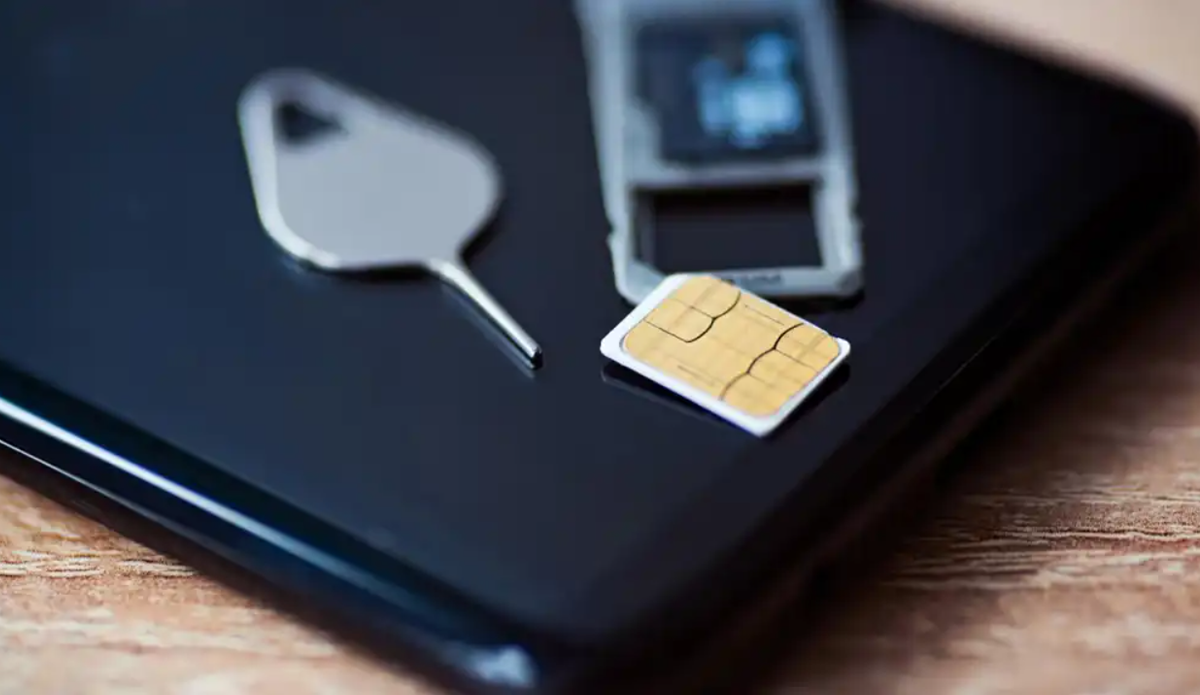
Unlike smartphone contracts that come with a brand-new handset, a SIM card-only plan refers solely to your mobile usage. 

If you’re happy with your current mobile handset, and also looking to cut your monthly expenses, a SIM card could be exactly what you need. 

Our experts have covered the main benefits below to help you decide.

1. Money Saving

Compared to smartphone contracts, SIM-only plans can be ridiculously cheap. Especially when you consider the eye-watering monthly cost for the newest smartphone on the market, which could be up to a shocking £90.

For example, one of the specialist suppliers we work with, Neatley, offer a completely unlimited SIM deal for just £24.95 per month.

Compare this to the average contract bill of £50+, you’re guaranteed to save money. Switch today and you’ll soon see the savings add up.  

2. Good Credit Building – Even if you Don’t Have it

When you apply for a mobile contract, your credit rating is checked.

Having a poor credit rating means you’re likely to struggle in finding a mobile network to accept you. This is because a mobile contract works similarly to a credit agreement, with monthly payments planned to cover the cost of the handset itself.

SIM card plans are a much lower risk to the network, so the requirements for signing up are a lot laxer.

Say you have bad credit at the moment, then getting a SIM plan will actually help you improve your score – especially if you choose a 12-month or more deal. 

Paying your SIM plan price every month helps to strengthen your rating, as you’re proving to the network that you’re a financially responsible customer. 

By the end of your SIM plan, you should have built up a fairly respectable credit score for yourself – AND saved money for your next handset!

3. Business Benefits

Business owners – you could benefit from a SIM card too.

It’s a cheap way to keep your professional and personal life separate, such as using a second mobile number for clients to call. SIM plans are also incredibly flexible and can grow with your business as and when it needs to.

We’ve compared mobile networks offering specialist plans to small business owners. 

4. Flexibility

Aside from the low price, the biggest benefit of SIM plans is undoubtedly the flexibility they give you.

Rather than being tied down to an expensive contract for 2 years or more, SIM plans can be tailored. No one can predict where life will take them in that time, so a SIM plan could offer you peace of mind.

You also get the freedom of choosing which mobile network to go with, despite which network you originally took your phone out with. 

There’s also the complete control over your usage. Regardless of what’s most important to you (be it data, texts, 5G access etc), we’ll find you a fair-priced plan that meets all your needs.

Besides, unlimited mobile data is a lot cheaper nowadays! 

Find a new SIM-only deal

Happy with your device but not the usage allowance?

Nearing the end of your contract and looking to cut costs?

These are perfect examples of situations in which it would be wise to get a SIM.

We’ve already compared mobile providers for you. Get started with a few clicks and find your new deal today.

Could you save on your broadband bills next?

Search the latest broadband offers.
voip landline ft image

VoIP is the future of the telephone

You’ll likely have heard all about the national landline switch off by now.

Don’t get left behind – you’ve only got two years to prepare!

With the introduction of VoIP plans, you can revolutionise and streamline the way you work.

Is VoIP right for my business?

Regardless of your industry, you’ll find that there’s a lot of ways in which the right VoIP system supports your productivity.

As with all business suppliers, it’s important that you compare before you buy – especially if you’re new to VoIP.

Noisy office environment? Make high quality conference calls to remote staff.

Want to re-route customer calls? Create a seamless self-service phone option. We’ve got deals from every VoIP supplier in one place, so you can find a new deal with ease. Speak to our experts for professional advice today.

Small business? VoIP could be an asset to you too

Don’t overlook VoIP – it’s not just for big teams or large businesses!

In fact, recent research finds that more than one-third of all businesses now use a VoIP phone system.

The vast majority of those being businesses have less than 50 employees, proving you don’t need to be a large brand to access the best tech.

What is VoIP and how does it work?

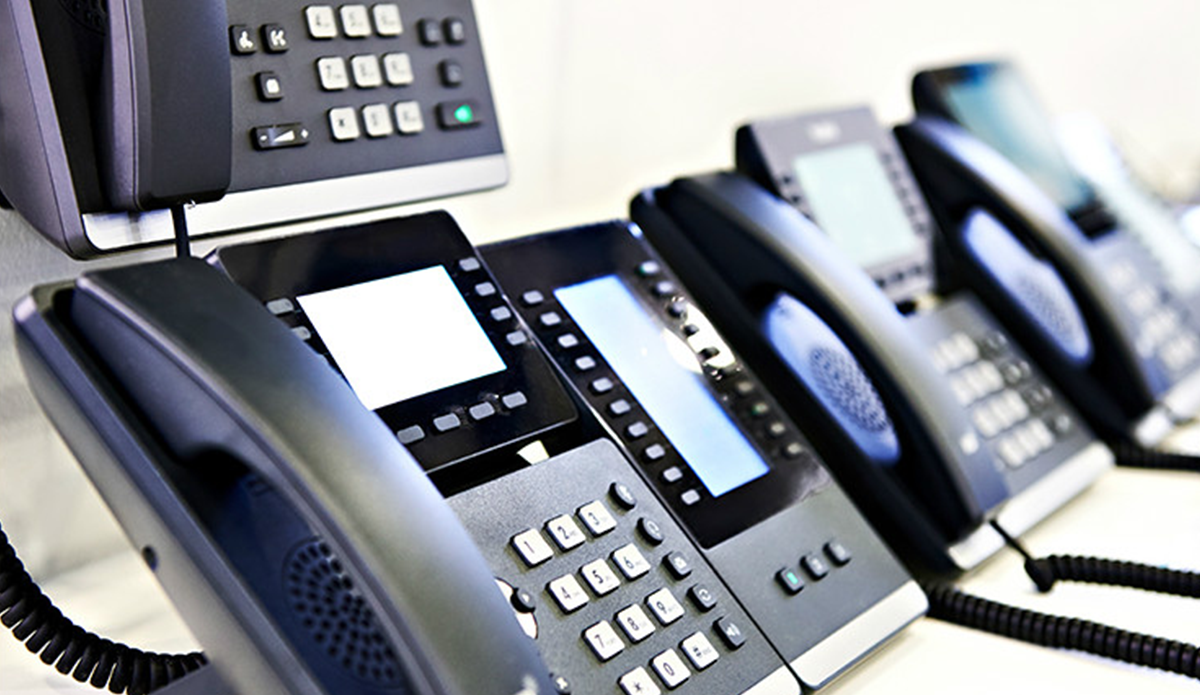
Voice over Internet Protocol (VoIP) is internet-based phone system.

Instead of transmitting voice conversations over copper phone lines, you make calls through the internet.

Although it might sound technical, it’s simpler than you realise – and not too dissimilar to Skype.

If you have internet, you’re already halfway there!

Not only will VoIP replace your traditional business landline, but you can also make calls from your laptop, mobile or other smart devices.

All of this happens instantaneously.

Benefits of VoIP

There are several reasons why more businesses are switching to VoIP plans, which don’t necessarily revolve around cost.

Call quality

VoIP calls don’t use a lot of bandwidth, which means you get to enjoy clear and crisp audio quality. As long as you have stable internet, your calls will be higher quality than landline.

Simple installation

In addition to better sound quality, the cloud is making VoIP plans more viable for small businesses.

Rather than having to install special equipment or wiring, companies can simply choose a cloud-hosted VoIP phone solution. This means you don’t need to buy any more equipment or employ IT staff to maintain it.

Ease of use

VoIP systems are very user-friendly. You also get a dedicated level of customer service from your supplier, in the rare event of any downtime.

Flexibility

Depending on your needs, you can scale up or down with ease.

This is especially true if you choose a cloud-based solution, which is easy to tailor and grows with your business. Say you hire new employees and need more phone lines – it can easily be arranged with your supplier!

Remote connectivity

One of the biggest advantages of VoIP is that it allows you to collaborate seamlessly with remote staff. Your team can take their business phone line anywhere they go, meaning higher rates of productivity.

You can also stay in close contact with your customers on the go by having business calls re-routed to your personal mobile.

Cost benefits

Cost is another reason businesses are making the switch from landline.

VoIP plans can also be relatively low cost, making it ideal for small businesses – but you still need to research before you commit! According to NobelBiz, businesses report saving up to 75% on communication costs as a result of switching.

Most VoIP providers charge a monthly fee per-user, making it a lot cheaper to maintain than old-school landline systems.

Add-ons

VoIP plans are highly customisable. It’s crucial you compare and research beforehand to make sure you pick a deal with the right features for your business.

These include conference calls, call logging and routing, customer insight, call recording, a virtual receptionist and many more.

You can even integrate VoIP systems with other business services, like email.

We can also find you a solution to disguise your personal mobile number for professional use – so you can still work on the go.

Ready to find a VoIP deal?

We’ve got every VoIP plan from every supplier in one place.

The package you choose will significantly impact price, features and installation – all of which we can help you consider.

Compare VoIP suppliers for free.

cost of cashless ft image

Is it time to go cashless?

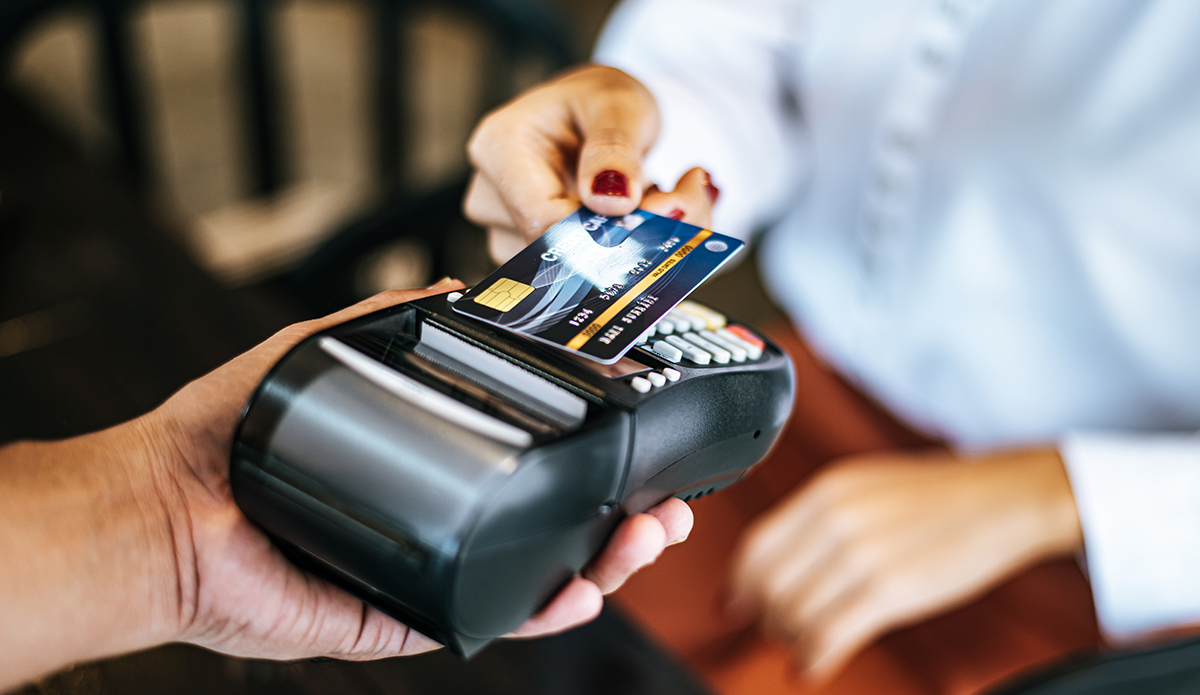
As a small business owner, one way to engage more customers is by having a range of cashless ways to pay.

The slight drawback is card payment fees you then accumulate.

We’ve explained below everything you need to know about making your business cashless, including what sort of charges to expect.

What do I get charged per transaction?

With each card payment, you can expect to pay 1.5 – 3.5% of the sale. This depends on what type of card your customer uses, or whether they use a card at all (mobile payments).

Credit cards tend to cost more than debit cards – and cardless payments cost even more.

On top of this, transaction fees will be around 1-3% of each sale.

There are also authorisation fees, which take between 1 – 3p per sale.

Amex transaction fees can be up to a whopping 4% – which makes it understandable why a lot of small business owners refuse them.

Finally, merchant service charges can be around 0.25% to 0.35%.

These are just the fees associated with each sale – there’s still a few more prices you face!

Extra charges to know about

Card machines cost around £30 – £80 upfront and the set up should be just under £100.

On a monthly basis, you will pay up to around £30 a month for service fees and merchant account fees (however, these monthly fees depend on your provider and also the total money made from transactions).

Last but most certainly not least is the PCI compliance fee, which will never be more than £5 a month – but you must never go without unless your supplier pre-pays.

Can I save or cut back?

The provider you’re with has a huge impact on price, so you’ll need to compare and find the best for your business. Examples of providers to choose from include WorldPay, Zettle, Square, PayPal and Barclaycard Anywhere.

Comparison really is crucial, given how wildly prices can vary. You’ll find that a lot of providers offer special discounts for small businesses.

It’s also important you investigate hidden fees, like chargebacks and refunds (which can cost up to a £1 a go!).

Is it worth the fees?

Having a cashless payment option is absolutely essential.

Mobile and contactless payments are only on the rise, so you want to appeal to every audience.

A staggering 57% of all payments made last year across the UK were on cards, and 32% were contactless.

Making your business a cashless site also has a lot of safety and efficiency benefits.

Ready to save more money?

We search deals with leading business suppliers across the UK.

Ranging from broadband and VoIP, to water and one-bill solutions, we can help you save money on various monthly costs.

Speak to our experts today or start searching for yourself.

Business Water Bills

Our Rundown of Business Water Bills

The cost of business water can quickly add up when you’re misinformed.

However, all businesses need running water.

In fact, research from Energy Costcutters shows that 67% of businesses across the UK and Scotland have been overcharged on their business water bills.

Here’s what you need to know.

It’s key to note that your business water bill varies depending on your area and your local utility company charges.

Consequently, there are over 20 different licensed water suppliers for UK businesses, but their charges are regulated and fortunately, predictable.

So how does it all work?

In simple terms, your bill is split up by the water coming and coming out of your business premises.

These are known as Water charges, and Wastewater charges.

Water charges

This cost relates to the supply of fresh water coming into your business premises and depends on how much water you and your team use.

Wastewater charges

These charges are for the removal of used water going out of your business premises into the local sewer system.

Being connected to the sewer system means that these charges apply to you.

Do you have a water meter?

You should submit your meter reading at least once a year (if not more), to avoid being charged for an estimated consumption.

Your bill will be an ‘estimated’, ‘read’ or ‘actual’ consumption.

The two charges your bill will be made up of are:

  • A fixed charge. Based on the type of water meter you have, and this covers both the readings and water meter maintenance.
  • A variable charge. Based on your overall business water usage.

No meter?

In this case, you’ll be paying a fixed price.

You’ll also be paying a charge relatable to the valuable of your business premises.

A lot of our customers find using a water meter offers more accurate and better-priced bills.

If you’re a small business, you’ll likely find that your water bill is similar to that of a household.

Large business owners should look for an alternative tariff better suited to high demand.

Our advice on reducing your business water bill

  1. Encourage all staff to get on board with saving water. Run fun competitions, ask for creative tips and urge staff to report any leaks
  2. Invest in efficiency. Geysers and water-efficient taps (or automatic taps) are worth buying to help you save in the long run. Dual-flush toilets are also a valuable investment.
  3. Leave notes around the office. Dishwasher in the breakroom? Leave a sign instructing staff to only turn it on when it’s full
  4. Get a water meter installed.

Looking to save more on your other business bills?

We compare business broadband, VoIP and mobile suppliers in one place.

It’s our mission to upgrade you whilst also saving you money.

Join countless other business owners in saving thousands today.