
Posts

2026 UK broadband

If it feels like UK broadband has been improving year by year, 2026 is shaping up to confirm that momentum in a big way.

Driven by full-fibre rollout, government intervention, and growing competition, the broadband market is entering a decisive phase that will affect how most households connect to the internet.

Read on to learn more about upcoming changes across the UK.

A Rundown of What Changed in 2025

Last year, we saw VoIP take off in a serious way – and prepared for the end of the landline.

Digital phone calling, satellite internet and 5G all became increasingly popular, but what about fibre broadband?

According to Ofcom’s Connected Nations report, the roll out of full fibre broadband accelerated with speed. Nearly 8 in 10 homes were signed up for full fibre by the end of 2025, and rural areas finally got a much-needed upgrade.

Making Gigabit Broadband More Widely Available

Gigabit-capable broadband coverage in the UK has expanded rapidly and shows no sign of slowing down. Ofcom predict gigabit coverage to rise to as much as 94% in 2026, once the latest deployments are complete. Expect to see improved performance at peak times, as well as a broader choice of high-speed packages – more on this later.

Updates in Rural Areas Across the UK

Historically, rural broadband lagged far behind urban connectivity. Choice of providers was select and speeds were low.

That gap is now narrowing due to government intervention, particularly through Project Gigabit, which aims to deliver gigabit-capable connections to areas unlikely to be served by commercial rollout alone.

By mid-decade, government contracts worth billions of pounds had already been awarded to extend fibre into rural communities. Rural business and home workers will see the most notable changes. 99% of premises are predicted to have full access by 2032, if development targets continue to be hit this year.

Gigabit Speeds Move From Premium to Mainstream in 2026

Gigabit broadband is no longer a niche product.

Ofcom data shows a steady increase in consumer take-up of ultrafast and gigabit services, with a growing proportion of households choosing packages above 500 Mbps. Once reserved for businesses, many homeowners are opting for premium speeds where available.

As network capacity increases, providers are offering more flexible speed tiers, including multi-gigabit options in some areas, signalling a shift in what is considered “standard” broadband.

Increased Competition Puts Pressure on Prices

Increased competition is reshaping the UK broadband market.

Alongside the major, established providers, a growing number of alternative network operators –  often referred to as altnets – are building their own full-fibre networks.

A surge in infrastructure has intensified competition in many parts of the country, even as some providers continue to introduce inflation-linked or mid-contract price rises.

In January 2025, Ofcom introduced stricter laws to ensure clarity between providers and consumers, clearly outlining inflation-linked or price rises. With bills consistently on the rise, it’s never been more important to switch providers regularly and compare deals in advance.

Wireless and Fixed Wireless Access Add Alternatives

While fibre remains the gold standard, wireless broadband options are improving. Fixed Wireless Access (FWA), including 5G home broadband, now offers a viable alternative in areas where fibre rollout is slower.

These options are great when you need flexibility above anything else.

Although not a full replacement for fibre, these services are becoming more reliable and competitive – watch this space!

Compare The Latest Deals in Your Area

By 2026, most UK households can expect access to gigabit-capable broadband, improved rural connectivity and stronger competition.

The shift this year will not just about faster speeds, but about accessibility and value.

If you’ve ever wondered if you’re getting your money’s worth for your internet, now is the time to find out.

Blaze through 2026 with the right broadband deal – our experts are waiting to help you.  We may receive a commission when you switch via our comparison service, but this does not affect the ranking of broadband deals.

Speak to our experts today.

never forget about bb end date ft image

Broadband contract ending soon? Lucky you

Receiving that end date notification means you’ve got a chance to save more money.

What’s more – it doesn’t take half as much time or effort as you might think either.

Given how the cost-of-living crisis has affected us all, it’s never been more crucial to compare and switch.

We see a lot of customers being pleasantly surprised at how much they could save on their broadband.

Despite this, it’s often overlooked – and for reasons that surprise us.

Did you know you could save nearly £200 a year by switching your ISP?

What about auto-renewal?

Unfortunately, loyalty doesn’t help you save money!

Although it became law in 2020 for energy suppliers for notify customers when their end date is due, this doesn’t mean you don’t have to act on it.

In most cases, you’ll continue your current plan – but not necessarily for the same price.

Say you chose your current 12/18/24 month contract because of its low monthly price, this will only be for a limited time.

Despite Ofcom making it law to notify customers, a lot of people are still facing an unpleasant surprise when their contract end date arrives.

Why don’t more people switch?

We see a lot of customers reluctant to switch, either out of misguided loyalty or because switching seems like a lot of hassle.

According to a recent Which survey, 43% of people say they stay put because they’re happy with the service. This is fair enough, but is it worth paying more for? Fibre is more widespread and affordable than ever before, so you might find a new supplier makes you even happier!

37% are afraid they’ll lose their current email address. These days, losing your email is unlikely – but it’s quick and easy to set up a separate one.

32% say they fear the whole process is “too much hassle”.

We’re here to compare and switch for you, so you get to enjoy a seamless change over.

A bit of bargain hunting pays off – especially when you do it with our experts.

Switching is easier than you think

A lot of broadband networks now share the same infrastructure, making a switch over quick and easy. It’s highly unlikely that you’ll be left without an internet connection during your switch, even if you’re upgrading from ADSL to fibre.

Generally, you’ll never be waiting longer than 2 weeks for the transition to be complete – and this for the most complex switches.

Saving doesn’t mean downgrading!

More properties are eligible for fibre than ever before. In fact, 95% of properties can now access superfast Wi-Fi – but a lot of homeowners don’t know this!

If it’s been a while since you last changed deals, you’ll be surprised at how many suppliers have upgraded their service.

Because fibre is readily available, prices are competitive – making it all the more crucial to compare.

Don’t let your end date creep up – or else your bill will creep up too!

Find the best deal today

Once you’ve given us your postcode, we scour the web to find every available deal in your area.

We handpick deals from a range of suppliers (including bundles and 4G routers).

Plus, you’ve got our friendly, impartial advisors to help guide you through the process too!

Search for your new broadband deal in a few clicks.

With the help of our experts and our free tool, you can also find your next mobile deal with us too.

ft image 5g blog

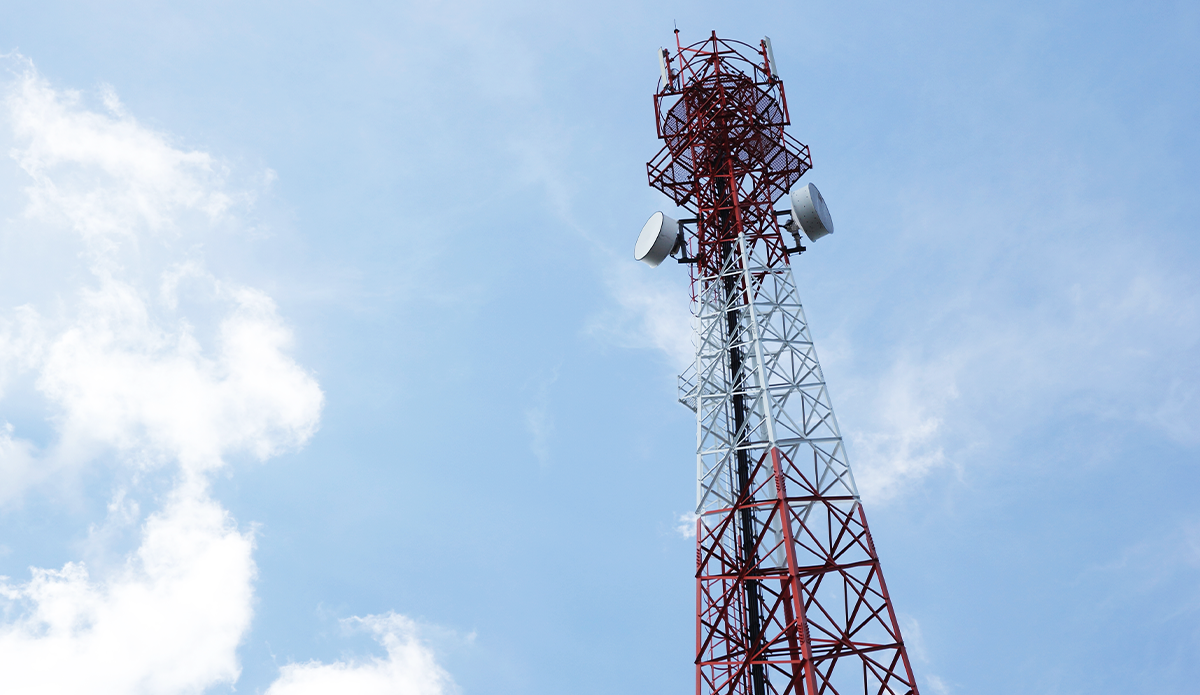
You may have noticed some tall masts in your area.

Sure, we know they’re a bit of an eye-sore.

But if you rely heavily on mobile internet, you’ll soon realise you’re actually in luck!

5G is set to change the way the entire world communicates, so here’s our expert deep dive.

First there was 3G – now we’re on another level

It was 10 years ago when 4G networks started taking over from 3G.

Fast forward 7 years to 2019, when 5G was first introduced by mobile networks EE and Vodafone.

5G was designed to be up to 10X faster than 4G.

Using smaller wavelengths and higher frequencies, this means that more users can connect simultaneously – without sacrificing speed.

This means the average mobile user connected to 5G could download nearly an hour of Netflix content in less than 20 milliseconds!

The issue of availability

You might be thinking, if 5G is so great, why aren’t we all connected to it?

There are two main issues preventing this being from being the case.

The issue of availability is still prevalent, with some more rural parts of the UK yet to see any developments.

New areas are becoming eligible every week, and 5G is expected to be available nationwide by 2025.

There’s also the issue of price – seeing as a lot of networks need you to buy their latest model.

This can quickly become off-putting if you compare alone, which is why we’ve made it easy to see every deal in one place.

Which networks offer 5G currently?­

EE, O2, Sky, Three, Vodafone and Tesco Mobile currently boast the most 5G coverage across the UK.

What’s more, major phone makes including Samsung, Apple and Huawei all offer 5G compatible models – and the list is always growing.

Why don’t you check your eligibility for free today?

What about 5G broadband?

5G broadband is already on the way. However, 4G broadband has been popular for years – and it’s not going away any time soon.

With 4G broadband, you essentially use a mobile router, which relies on air waves instead of a wired signal.

If you have strong mobile service where you are (but maybe not the best Wi-Fi options), this could be the solution for you.

Currently, EE, Three, Vodafone and Neatley, an independent supplier we’re proud to support, all offer 4G broadband deals.

Will 5G replace 4G for good?

As previously mentioned, 5G isn’t predicted to be used across the UK until 2025.

Until then, 4G remains the go-to in a lot of areas.

This doesn’t mean incredible developments aren’t in the works every day. Plans for 5G use include high-tech bus shelters, street/traffic lights and modernised healthcare, just to include a few.

It also has the power to improve energy sustainability across the UK, with large businesses looking to invest.

Ready to upgrade?

Have we caught your attention?

It’s understandable – who wouldn’t want the fastest mobile speeds possible?

Regardless of how you plan on using 5G, we’ll make sure you get the right deal.

Before diving headfirst into plans and providers, you should compare with our friendly experts to ensure you find the right price.